Minoxidil and finasteride before and after a hair transplant
A hair transplant moves hair, but it doesn't stop hereditary hair loss around the treated area. That's why many people ask whether medication makes sense. Here's how the two best-known ones work and what you should clarify with a doctor first.

Key points
- The transplant only protects the transplanted hairs. The existing hair around them can keep falling out; medication can slow that down.
- Minoxidil is usually applied to the scalp; finasteride is a prescription medicine for men. Both only work as long as they're used.
- Both can have side effects. Whether and when you take them is something to discuss with a doctor and with the clinic.
Important
This guide explains things in general. Only take medication for hair loss after medical advice, don't stop prescribed medication on your own and ask your clinic what it recommends around the procedure.
Why medication matters for a transplant
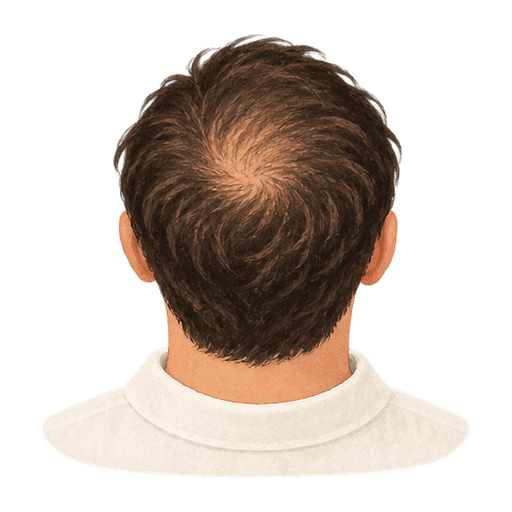
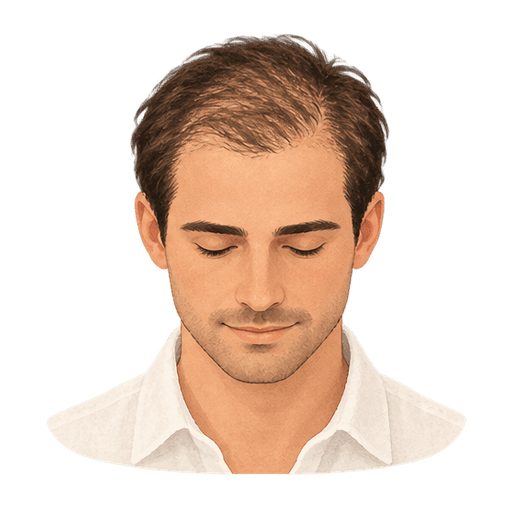
The transplanted hairs come from the donor area and are generally not affected by hereditary hair loss. The original hair on the forehead and top of the head still is, though. It can keep thinning in the years after surgery.
In the worst case, a gap appears between the transplanted hairline and the thinning crown. Medication can help keep existing hair for longer. That's why many clinics raise the topic before planning.
Minoxidil
Minoxidil is usually applied to the scalp as a solution or foam. In Germany it is available without prescription in pharmacies as a treatment for hereditary hair loss, in strengths for men and for women. Rules may differ in your country.
It prolongs the hair's growth phase and can thus slow hair loss and partly make hair stronger. The effect usually only shows after a few months, and it only lasts as long as you use it. If you stop, the hairs it preserved fall out again over time.
Known side effects include itching or irritation of the scalp and, at first, increased shedding. Rarely, palpitations or dizziness can occur. Read the package leaflet and ask a pharmacist or doctor whether it suits you.
Whether medication or a transplant makes more sense for you first is something you can discuss with clinics in their offers.
Which area bothers you most?
One tap is enough, then you move on to your photos.


Your name stays with you until you choose a clinic.
Start without choosingFinasteride
Finasteride is a tablet that requires a prescription in Germany. It inhibits the conversion of testosterone into dihydrotestosterone (DHT), the hormone that makes hair follicles shrink in hereditary hair loss. For hair loss it is only approved for men.
Finasteride also only works as long as you take it. The effect usually shows after a few months.
Known possible side effects affect sexuality, such as reduced libido or erection problems, as well as mood changes up to depressed mood. Authorities explicitly point out these psychological side effects. If you notice mood changes, seek medical advice immediately.
Women who are pregnant or could become pregnant must not take finasteride and must not touch broken or crushed tablets.
Before and after the procedure
How clinics handle medication around surgery varies. Often it's like this:
- Before: many clinics ask whether you take medication for hair loss and take this into account in planning.
- Minoxidil: some clinics advise pausing it shortly before and after the procedure because the scalp is sensitive. The clinic will tell you when to restart.
- Finasteride: people already taking it often continue. Whether you start, pause or continue it is something you decide with your doctor.
- Other medication: list all medication, especially blood thinners. The clinic will tell you what to stop or adjust beforehand.
What to clarify with your doctor and the clinic
- Is my hair loss hereditary, or is there another cause?
- Would medication help me keep my existing hair?
- Which side effects are relevant for me, including with pre-existing conditions?
- Should I start, pause or continue a medication before the procedure?
- Does the clinic plan so that the result still looks good if hair loss progresses?