Hair transplant in Turkey: process, risks & real costs
Why so many people travel to Istanbul for a hair transplant, what packages usually include and how to recognise dubious providers.

Key points
- For the same number of grafts you often pay much less in Turkey, usually as a package with hotel and transfer. You normally book the flight yourself.
- The biggest risk is clinics where no doctor performs the key steps. Ask exactly who operates.
- A typical trip lasts a few days. Aftercare then usually happens remotely, so clarify beforehand who your contact person is.
Why so many go to Turkey
Turkey, Istanbul above all, is one of the main destinations for hair transplants. The main reason is price: for the same number of grafts you often pay much less there than in Germany, Austria or Switzerland.
According to our guide values, 2,500 to 3,500 grafts cost about €7,300 to €10,300 in Germany and about €2,700 to €3,700 in Turkey, there without flight and hotel. The difference mainly comes from lower wages, rents and living costs.
There are very well equipped clinics there, some with international accreditation such as JCI. But the differences between providers are large, so it pays to look closely at each clinic.
What a package usually includes
Many clinics offer packages that cover more than the surgery. What exactly is included differs from clinic to clinic. Common items are:
- Transfer: pick-up at the airport and rides between hotel and clinic.
- Hotel: a few nights in a partner hotel. How many and which category is stated in the offer.
- The surgery (FUE or DHI) with local anaesthesia, often with a blood test, sometimes with PRP.
- Aftercare kit: medication and care products for the first weeks, depending on the clinic.
- Support in your language: many clinics work with interpreters or coordinators who speak German or English. Ask whether this is part of the package.
Thinking about surgery in Turkey or closer to home? You choose the region, clinics reply with an offer.
Which area bothers you most?
One tap is enough, then you move on to your photos.
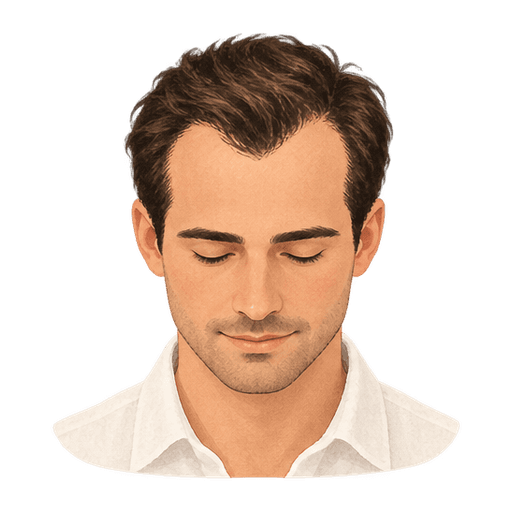
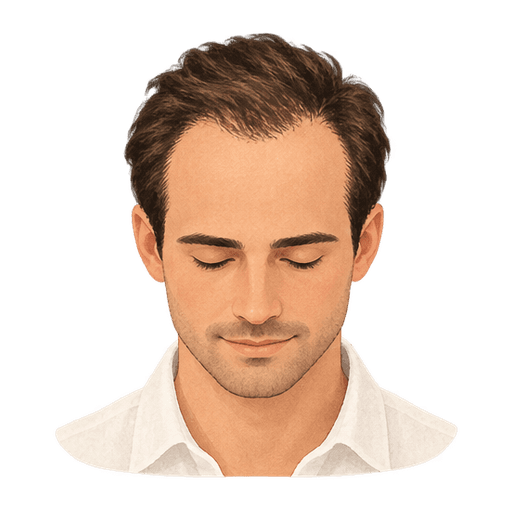
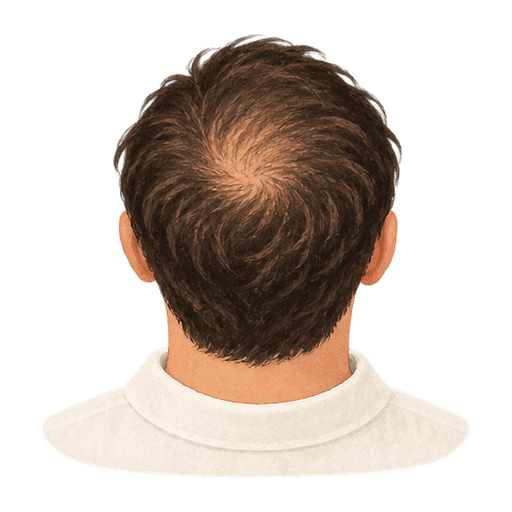
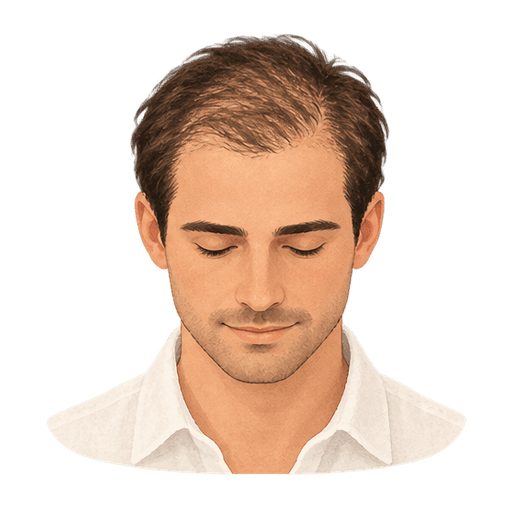
Your name stays with you until you choose a clinic.
Start without choosingHow a trip typically works
The exact process differs from clinic to clinic. But many packages follow a similar pattern over a few days:
- Arrival: pick-up at the airport, transfer to the hotel. Some clinics do the preliminary examination the same day.
- Preliminary examination: consultation with the doctor, planning the hairline, blood test. This is where the final number of grafts is set.
- Day of surgery: the procedure usually takes several hours. You're awake under local anaesthesia.
- Afterwards: a check-up the next day, often including the first hair wash at the clinic. You get care instructions and your aftercare kit.
- Return trip: the clinic tells you when you can fly. Better plan a day of buffer.
What to clarify before the trip
The more you have in writing beforehand, the more relaxed the trip will be. These questions belong on your list:
- Who exactly operates, and does this doctor perform the key steps personally?
- How many grafts are planned, and what happens if it turns out to be more or fewer on site?
- What does the package include: nights, hotel category, transfers, medication, interpreter?
- Which documents and medical reports should I bring, for example on pre-existing conditions or medication?
- What does cancelling or postponing cost?
- Who is my contact person after I return, and how do I reach them?
The risk: surgery without medical supervision
Where there are many providers, there are also dubious ones. A well-known problem is clinics where the doctor hardly performs the key steps personally.
Then a team without medical supervision carries out the surgery, often on several patients a day. Some providers promise graft numbers your donor area can't supply, or charge extra on site, for example for anaesthesia or the aftercare kit.
How to recognise a serious clinic
- It names the doctor who operates, with qualifications, and says clearly which steps they perform personally.
- It plans the number of grafts from your photos and explains it, instead of promising a flat rate like “unlimited grafts”.
- It puts in writing what the price includes and what it doesn't.
- It only treats as many patients a day as the team can handle carefully, and tells you the number.
- It also tells you if a transplant won't help much in your case, for example because the donor area isn't enough.
Aftercare once you're back home
After your return, support usually happens remotely: you send photos at set intervals and the clinic replies by message or video. Ask beforehand how often this is planned and in which language.
If you have symptoms such as strong redness, swelling, pain or fever, don't wait for a reply; see a doctor near you. Take the clinic's surgery report with you.
When Turkey might not be the right choice
For many people the trip is worth it. But in some situations treatment closer to home may make more sense:
- You want to have the check-ups in the following months in person at the same clinic.
- You have pre-existing conditions or take medication that need closer medical supervision.
- Your case is more complex, for example a correction after an earlier transplant.
- You don't feel comfortable travelling shortly after the procedure.
On Trichio you can select several regions in the questionnaire and see offers from Turkey and from German-speaking countries side by side.
Compare in the same format with Trichio
At Trichio, cost estimates come from partner clinics that have accepted our participation terms. Every estimate shows in the same format how the doctor is involved and what is included. The clinic provides these details itself. Have the clinic confirm them before you book.
You send a request and get up to three non-binding cost estimates, all in the same format. Clinics first only see your photos and answers. Only the clinic you choose gets your contact details.
How prices are made up is explained in the guide How much does a hair transplant cost?.