Scalp micropigmentation: when it replaces or complements a hair transplant
In scalp micropigmentation, tiny dots of pigment are tattooed into the scalp. They look like closely shaved stubble. It does not replace hair, but it can hide gaps, scars and thin areas well.

Key points
- Scalp micropigmentation, or SMP, is a cosmetic tattoo. It creates the impression of closely cut hair.
- It mainly suits people who wear their hair very short and can hide scars at the back of the head or thin areas.
- Result and durability depend heavily on dot size, depth and colour. Ask about experience and photos.
Not medical advice
Trichio is a comparison site, not a medical practice, and we are not doctors. This guide summarises studies in general. It is not medical advice. What is right for you is something to discuss with a doctor.
What scalp micropigmentation is
Fine needles place thousands of small dots of pigment into the top layer of the skin. Up close they are dots; from a normal distance they look like stubble. Doctors who described the technique call it a non-medical cover-up that makes thin areas and scars barely detectable.
Important: no hair grows. If you want to wear longer hair, it does little for you. Scalp micropigmentation is not a medical procedure but a tattoo.
What it is used for
- As an alternative to a transplant, when donor hair is not enough or you do not want surgery. You then wear a short cut permanently.
- As an add-on to a transplant: between transplanted hairs, so less scalp shows through.
- To hide scars, such as the line after the strip method FUT or pale dots after FUE.
- For thinning hair, especially in women, so the scalp along the parting shows less.
If you are considering a transplant after all, real offers show what is possible for you.
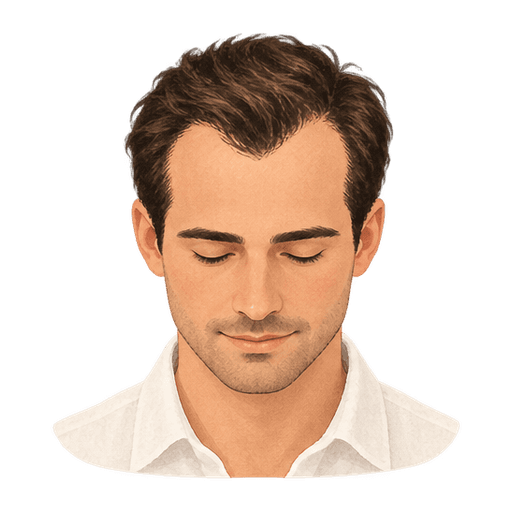
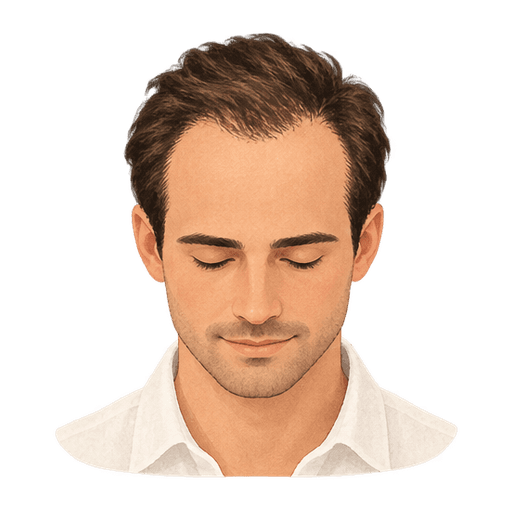
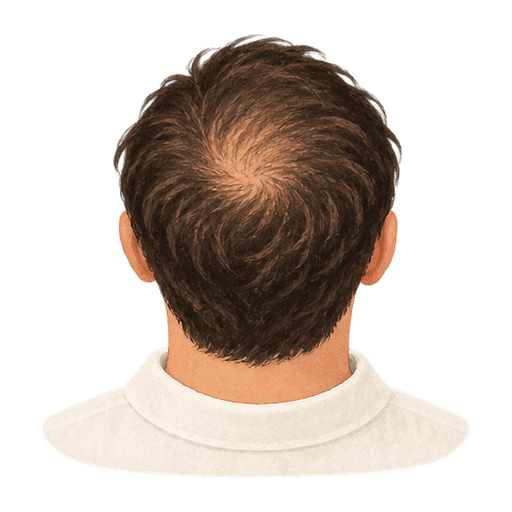
Which area bothers you most?
One tap is enough, then you move on to your photos.
Your name stays with you until you choose a clinic.
Start without choosingWhat you should know
- The pigment fades over the years. Many need a touch-up after a few years.
- A natural result depends on dot size, depth, colour and distribution. A review describes exactly these basics as decisive.
- If the result is not good, it is hard to remove. Laser can help but needs several sessions.
- If you may want a transplant later, say so beforehand. Pigment in the donor area can make extraction harder.
What to look for in a provider
- Ask to see photos of earlier clients, including after a few years.
- Ask which pigments are used and how dot size is matched to your hair colour.
- Ask how many sessions are planned and what a touch-up costs.