Does a hair transplant hurt?
The question comes up almost every time. The short answer: the injections at the start are the unpleasant part. After that you usually only feel pressure and pulling. The days after the procedure are usually manageable with FUE.

Key points
- Surgery is done under local anaesthesia while you are awake. The injections for the anaesthetic hurt most.
- In one study, patients had considerably less pain after FUE than after the strip method FUT.
- After FUT the pain was largely gone by day three; after FUE it was already slight on day one.
Not medical advice
Trichio is a comparison site, not a medical practice, and we are not doctors. This guide summarises studies in general. It is not medical advice. What is right for you is something to discuss with a doctor.
During the procedure
A hair transplant is almost always done under local anaesthesia. You are awake and can talk, listen to music or watch a film. Some clinics also give a sedative.
The most unpleasant part is the injections that numb the area, first at the back of the head and later at the recipient area. A review names them as the main source of pain during the procedure. After that you usually only feel pressure or pulling. Because the procedure lasts many hours, top-up injections are given after a while.
After the procedure
When the anaesthetic wears off, the back of the head and the recipient area feel tight and pull. The clinic usually gives you a painkiller. Many people only need it for one or two days.
A study of 241 patients in Korea compared pain over the first week. It was considerably lower after FUE than after the strip method FUT: on day one FUE patients reported only little pain. After FUT the pain was largely over by day three.
Ask the clinics in your offer how they anaesthetise and what they give for pain.
Which area bothers you most?
One tap is enough, then you move on to your photos.
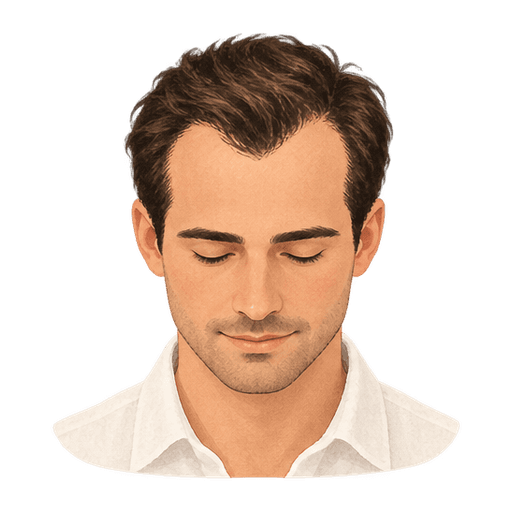
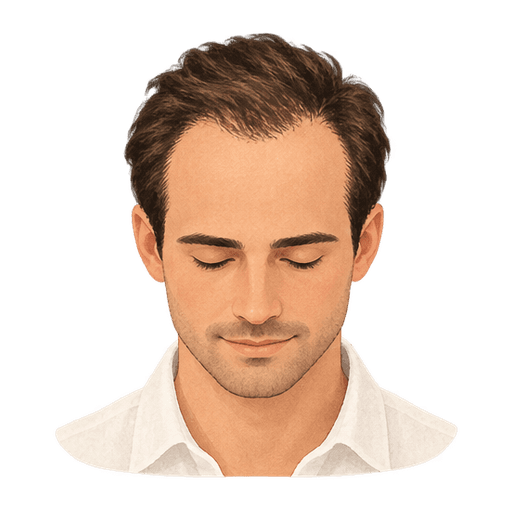
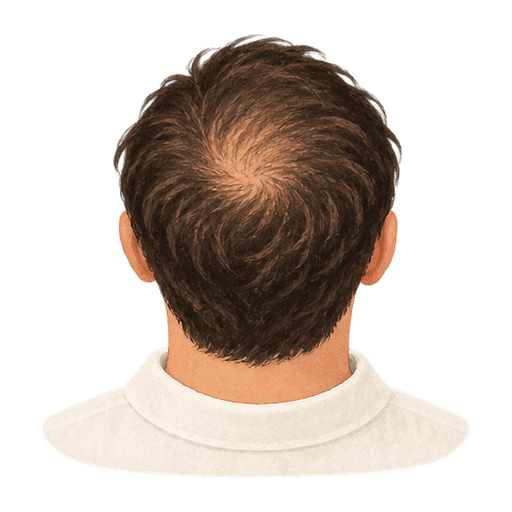
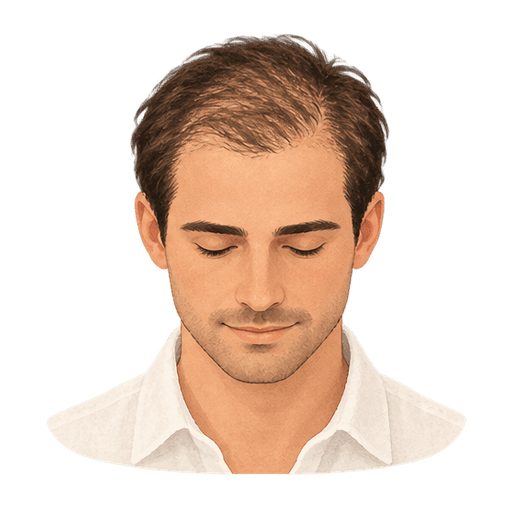
Your name stays with you until you choose a clinic.
Start without choosingWhat helps
- Ask beforehand how the clinic anaesthetises. Some use finer needles, vibration, numbing creams or devices that deliver the anaesthetic without a needle.
- A sedative can help if you are afraid of injections. You must not drive yourself afterwards.
- Sleep with your head slightly raised for the first nights, for example with a neck pillow. It helps against swelling and pressure.
- Only take painkillers the clinic recommends. Some can increase bleeding.
When pain is a warning sign
It is normal for pain to ease day by day. If it gets worse after day two, or fever, increasing redness, swelling or pus appear, contact the clinic and have yourself examined by a doctor.