The best time of year for a hair transplant
In the first weeks after the procedure you should avoid sun, heat and sweating. How easy that is depends a lot on the month. We set ten years of weather data for Istanbul, Berlin, Zurich and Vienna against the aftercare rules of 182 clinics.

Key points
- October to February are easiest: in Istanbul and at home the UV index then hardly ever reaches a level where sun protection is needed, and a hat does not stand out.
- May to August are harder: the UV index in Istanbul then reaches a level where protection is recommended almost every day, and it is usually above 25 degrees. It is still possible with planning.
- More important than the month are two quiet weeks, no beach holiday in the first month and planning back from your goal: the final result shows after about a year.
Not medical advice
Trichio is a comparison site, not a medical practice, and we are not doctors. This guide provides general information and does not replace a medical examination or advice. Whether and which treatment is right for you is something to clarify with a doctor. All information without guarantee.
The calendar: month by month
For each month the table shows the average daily maximum temperature in Istanbul and on how many days the UV index reaches at least 3. From this value the World Health Organization recommends sun protection. “At home” is the average of Berlin, Zurich and Vienna. The last column is our assessment of the first four weeks after a procedure in that month.
| Month | Istanbul, °C | UV 3+ in Istanbul | UV 3+ at home | First 4 weeks |
|---|---|---|---|---|
| January | 9 | 0% | 0% | good |
| February | 10 | 6% | 0% | good |
| March | 13 | 54% | 27% | medium |
| April | 17 | 89% | 64% | medium |
| May | 21 | 94% | 84% | harder |
| June | 27 | 100% | 94% | harder |
| July | 29 | 100% | 95% | harder |
| August | 29 | 100% | 91% | harder |
| September | 26 | 93% | 73% | medium |
| October | 20 | 53% | 10% | good |
| November | 16 | 2% | 0% | good |
| December | 12 | 0% | 0% | good |
“Good” means there is hardly any sun to avoid in the first four weeks and sweating is unlikely. “Harder” means you have to actively avoid the sun and expect heat. In the mountains and by the sea the UV index is higher than in cities.
Why the season matters at all
Several aftercare rules depend directly on the weather. According to an international expert consensus, you should avoid direct sun for at least one month. Most clinics whose instructions we analysed state four weeks without direct sun, two weeks without intense sport and four weeks without swimming. In hot weather you sweat even without exercise, and many clinics advise against it in the first days.
- Sun: avoid it in the first month, then cover your head or use protection in strong sun after checking with your clinic.
- Sweating and heat: avoid as far as possible in the first one to two weeks.
- Swimming in pool and sea: at most clinics only after about four weeks.
- Headwear: according to the consensus allowed straight away if loose-fitting; many clinics are stricter.
Real offers show when a clinic has dates available and what it costs.
Which area bothers you most?
One tap is enough, then you move on to your photos.
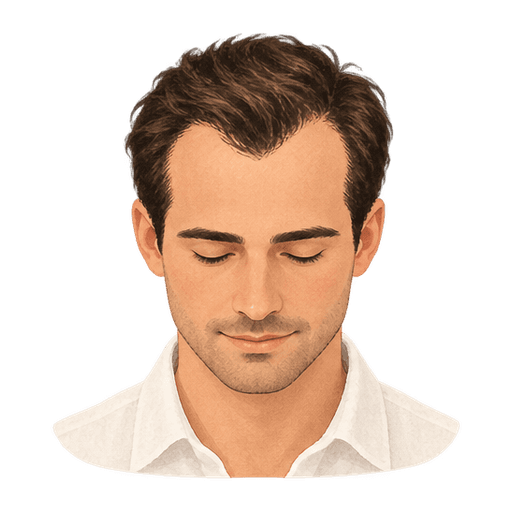
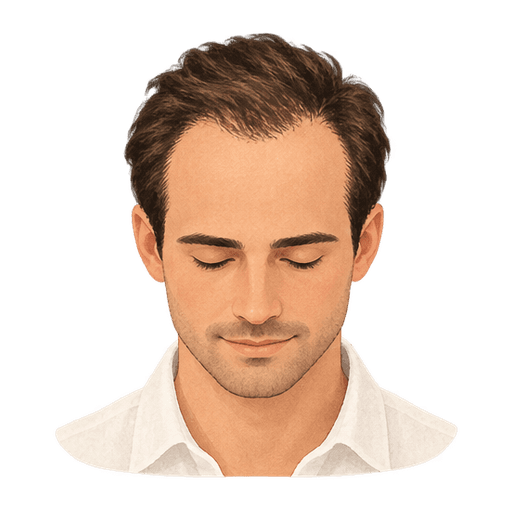
Your name stays with you until you choose a clinic.
Start without choosingAutumn and winter: why many choose this time
- Hardly any UV: from November to February the UV index reaches no notable values in Istanbul or at home.
- Hat season: a loose-fitting hat does not stand out in winter. Make sure it does not press; tight wool hats are a poor choice in the first weeks.
- Less sweating: at 10 to 16 degrees in Istanbul it is easier to stay calm.
- Holidays: between Christmas and New Year the first two weeks can often be covered with few days off.
One drawback: a winter holiday in the mountains with strong sun and a helmet is not a good idea in the first month.
If it has to be summer
Many people only have time in summer. That is possible but needs more planning. From June to August the daily maximum in Istanbul averages 27 to 29 degrees, and the UV index reaches a level where protection is recommended practically every day.
- In Istanbul, plan to be indoors at midday and take a loose-fitting hat.
- No beach holiday in the first month, not even as an extension of the trip on the coast.
- Ask the clinic from when you may use sunscreen on the fresh scalp, and do not use it before.
- Expect to wear a hat at home in summer until the clinic tells you otherwise.
Plan back from your goal
If you want to look good for a particular event, such as a wedding or a summer holiday, plan back from that date. The new hair grows over months, the final result shows after about a year, often later on the crown. In months two to four many look worse than before.
- Procedure in October: the difficult months fall in winter, many see clear growth by summer, the final result around the following autumn.
- Procedure in February: the difficult months fall in spring; in the first summer the hair is usually still thin.
- For an event in a particular month: ideally have the procedure about a year before.
These figures are typical experience; everyone’s course is different. More in the guide on the healing timeline.
When most people look into it
We analysed monthly views of the Wikipedia article on hair transplantation from 2016 to 2025, in German, English and French. In all three languages interest is highest in January, about a quarter above the annual average. In summer it is around 10% below. So many people look into the topic at the start of the year.
Whether clinics are busier or more expensive in spring we could not prove. Our price archive only contains prices per year, not per month. When you get offers, ask whether other dates come with other prices.
What matters more than the month
- Two quiet weeks: for office work many clinics name a few days to a week; because of redness and crusts many take 10 to 14 days off.
- No big event in the first three to four months if you want to feel comfortable at it.
- Medication: if you take or want to take any, clarify the timing with your doctor or clinic.
- Flight home: usually one to three days after the procedure; do not plan a long sunny holiday afterwards.
How we went about it
Temperatures: daily maximums 2016 to 2025 from the ERA5 dataset, retrieved via Open-Meteo and averaged per month. UV index: daily maximums 2023 to 2025 from the Copernicus Atmosphere Monitoring Service, also via Open-Meteo, including clouds. We counted the days on which the maximum reaches at least 3. Interest: monthly views of the Wikipedia articles, each relative to the average of the same year. Aftercare rules: our analysis of the instructions of 182 clinics.
Limits: weather varies from year to year; the values are averages. Other places such as Antalya are warmer, and mountain regions have a higher UV index. The assessment per month is our evaluation, not a medical recommendation.